
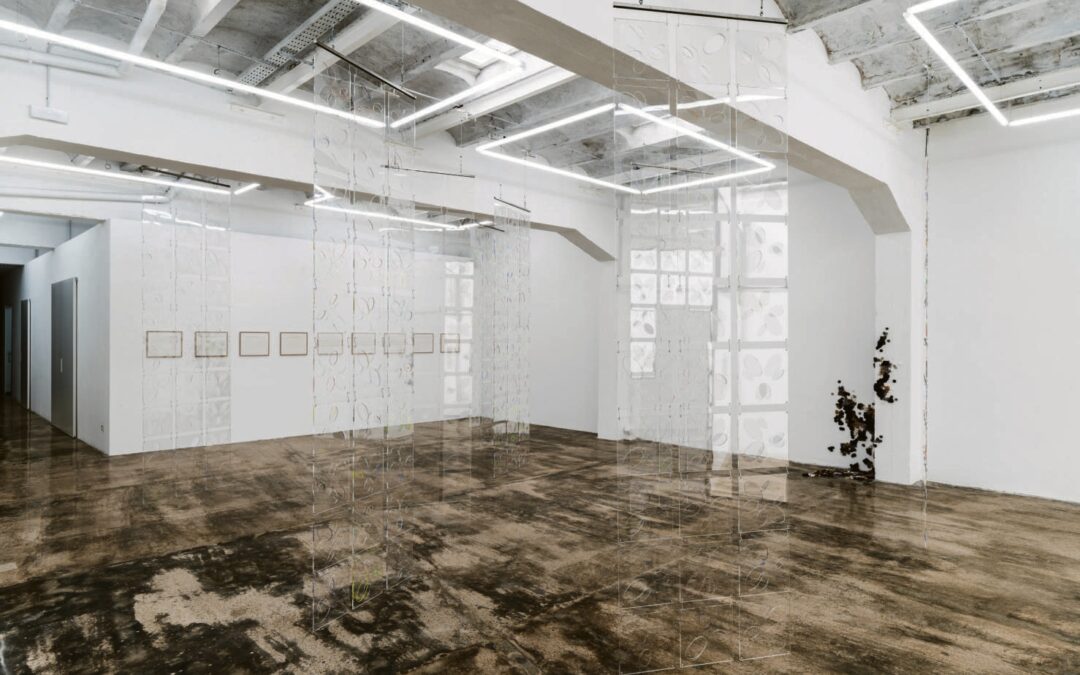
Mallorca has long been an island shaped by artists. From the legacy of Joan Miró to the many painters, sculptors, writers and thinkers who have found inspiration in its landscapes and Mediterranean light, creativity has always been woven into the island’s cultural fabric. Yet every generation must redefine what that legacy means for the present. In Palma today, a new wave of curators, gallerists and artists are contributing to that evolution, bringing fresh perspectives to a city that is increasingly recognised as a contemporary art destination in its own right.
Among them is Antoni Ferrer, founder of Galería Fermay, a young but ambitious contemporary art gallery that opened in Palma in 2022. Housed in a former light industrial factory in the Blanquerna neighbourhood, the gallery represents a new kind of cultural space for the island, international in outlook, experimental in spirit, and deeply connected to Mallorca itself.
For Ferrer, the decision to open a gallery in Palma was not only a professional step but also a personal return.“I was born and grew up in Palma de Mallorca,” he explains. “After studying art history in Barcelona and museum studies in the UK, I spent almost eight years living and working in London. It was an incredibly formative period where I learned from artists, curators and galleries across the city.”
London gave Ferrer exposure to one of the world’s most dynamic art scenes. Through internships, gallery work and independent curatorial projects, he gained experience across many facets of the art ecosystem, from working with artists and collectors to producing exhibitions and cultural programmes. Yet despite the opportunities that a global art capital offered, the idea of eventually returning home remained present.
“When I was in London, I already fantasised about having my own space,” he says. “Not necessarily just a commercial gallery, but a place where a coherent artistic programme could unfold and where artists would have a platform to show their work.” That vision eventually materialised in Palma.
Returning to the island in 2018, Ferrer immersed himself again in the local cultural environment before launching Galería Fermay a few years later. Opening a gallery during a global pandemic might seem like a risky move, but for Ferrer, it felt like the right moment to build something meaningful within his hometown’s artistic ecosystem.
“Putting together a project that could have an impact on the cultural and artistic scene of my hometown was incredibly exciting,” he says. The gallery’s location itself reflects this intention. Rather than situating Fermay in Palma’s traditional gallery district, Ferrer chose a former industrial space in Blanquerna, creating both a physical and conceptual distance from more conventional exhibition environments. The result is a space that feels open, informal and adaptable, aligning with Ferrer’s belief that galleries should be living cultural platforms rather than static white cubes.“I understand the gallery as a meeting point,” he explains. “A place for artists, collectors, professionals and art lovers to come together and engage with contemporary art.”
Galería Fermay’s programme reflects that philosophy. Rather than focusing on a single medium or aesthetic direction, the gallery brings together emerging and established artists working across different disciplines and conceptual approaches. The emphasis is on dialogue and experimentation, creating exhibitions that function as thoughtful curatorial projects rather than simple presentations of works for sale.
“Art is about communication,” Ferrer says. “Artists are creators of languages. What interests me is engaging with those languages, whether aesthetically, conceptually or formally.”
This open and exploratory approach mirrors a broader transformation taking place within Palma’s art scene. Once largely perceived as a seasonal cultural destination tied to tourism, the city has gradually evolved into a year-round hub for contemporary art. Institutions such as Es Baluard, Fundació Miró Mallorca and Fundación Juan March, alongside an increasingly vibrant gallery network, have contributed to building a strong cultural infrastructure.
At the same time, Palma’s growing international community has brought new collectors, artists and cultural practitioners to the island, adding fresh energy to an already rich local scene.
“Palma has a surprisingly solid artistic ecosystem,” Ferrer notes. “There are many galleries, institutions and artists working here, and the quality of what is being produced on the island can compete with that of much larger cities.”
For Ferrer, this convergence of local tradition and international exchange is precisely what makes Mallorca such an exciting place to build a contemporary art project today. The island’s scale allows for a slower, more personal relationship with art, while its global connections ensure that it remains firmly embedded within the broader cultural conversation.
“Living here has a very different rhythm compared to a big city,” he says. “Palma is more human in scale, but at the same time it has become increasingly international and well-connected.”
That balance between local identity and global outlook defines both Ferrer’s personal journey and the direction of Galería Fermay itself. Having gained experience abroad, he chose not to remain within the established circuits of major art capitals but instead to bring that knowledge back to the island that shaped him. In doing so, he represents a new generation of cultural practitioners who see Mallorca not as a peripheral art destination but as a place capable of generating its own artistic momentum.
“Every gallery, artist and institution contributes to the ecosystem,” Ferrer says. “What matters is continuing to work together and pushing the scene forward.”
In a city where creativity has always been part of its DNA, that collective effort may well define the next chapter of Palma’s contemporary art story. Through spaces like Galería Fermay, a new generation is ensuring that the island’s artistic spirit continues to evolve.
Galería Fermay currently presents Spinning Rumours Ópalo, a solo exhibition by Antwerp-based artist duo Carla Arocha and Stéphane Schraenen. Through immersive installations that explore perception, light and space, the artists transform the gallery into a shifting environment inspired by the opal, a mineral historically associated with both truth and superstition. The exhibition invites visitors to reflect on how meaning and narratives are constructed, encouraging a more fluid and questioning view of reality.
Robert Meeder
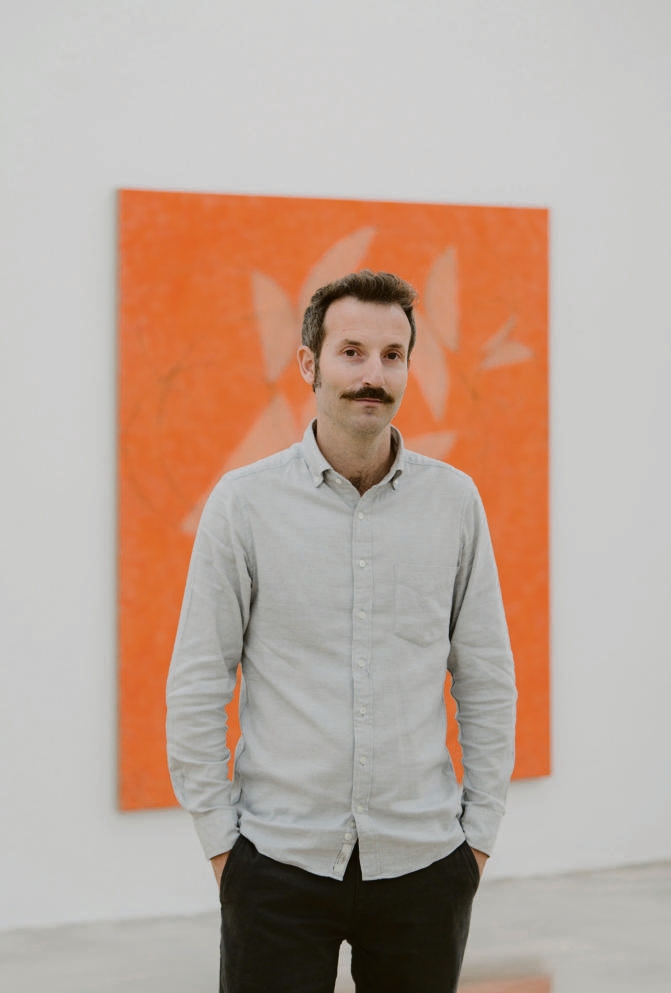
Antoni Ferrer, founder, director Galeria Fermay, photo Grimalt de Blanch
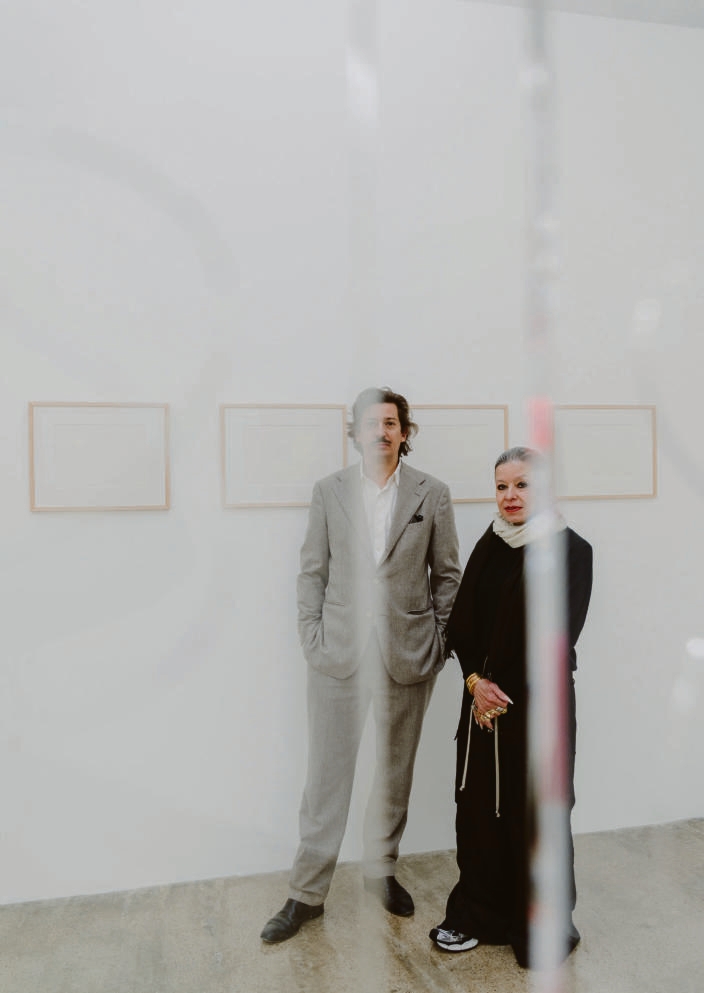
Carla Arocha and Stéphane Schraenen, Galeria Fermay, photo Grimalt de Blanch
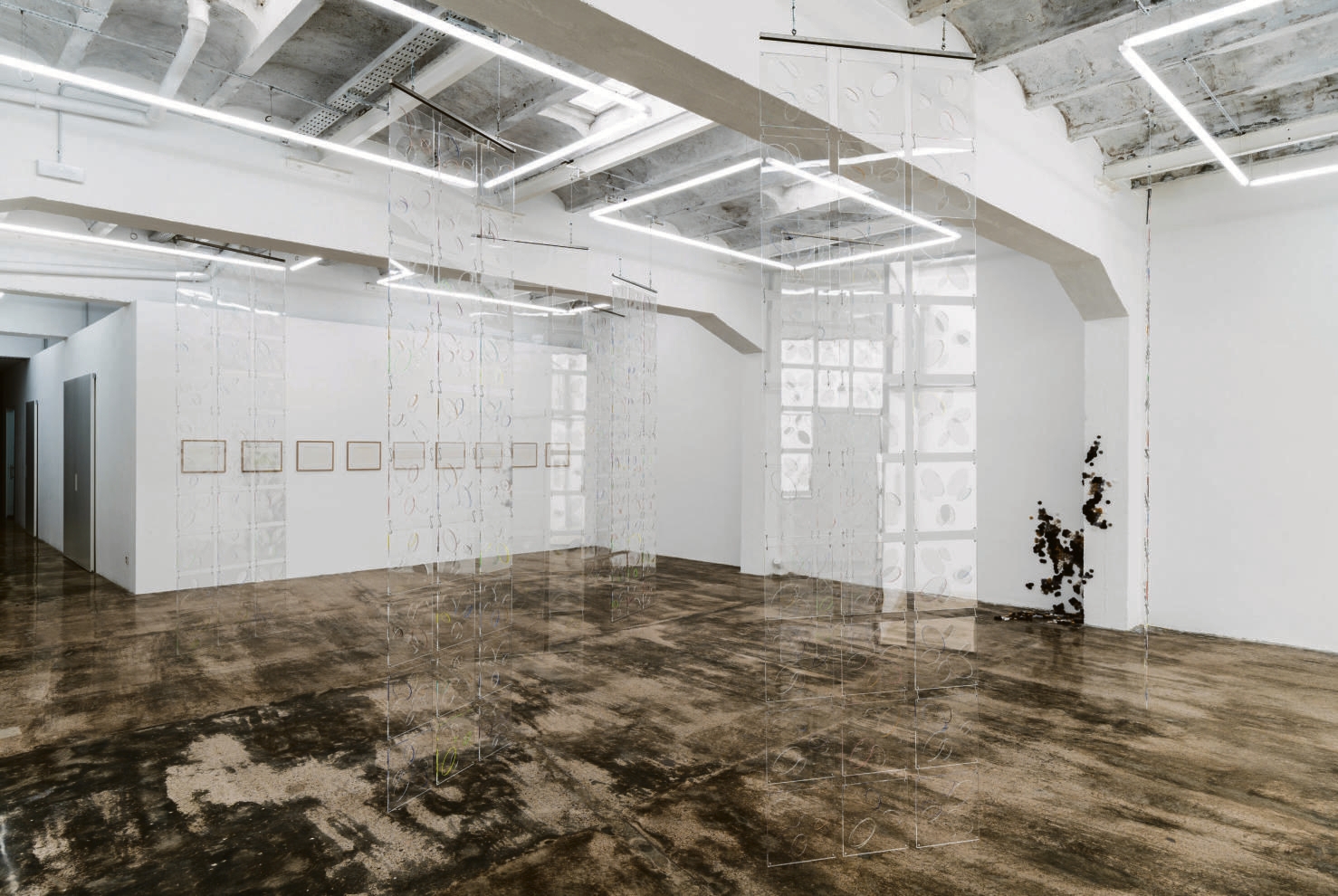
Spinning Rumours Ópalo by Carla Arocha and Stéphane Schraenen, Galeria Fermay, photo Grimalt de Blanch
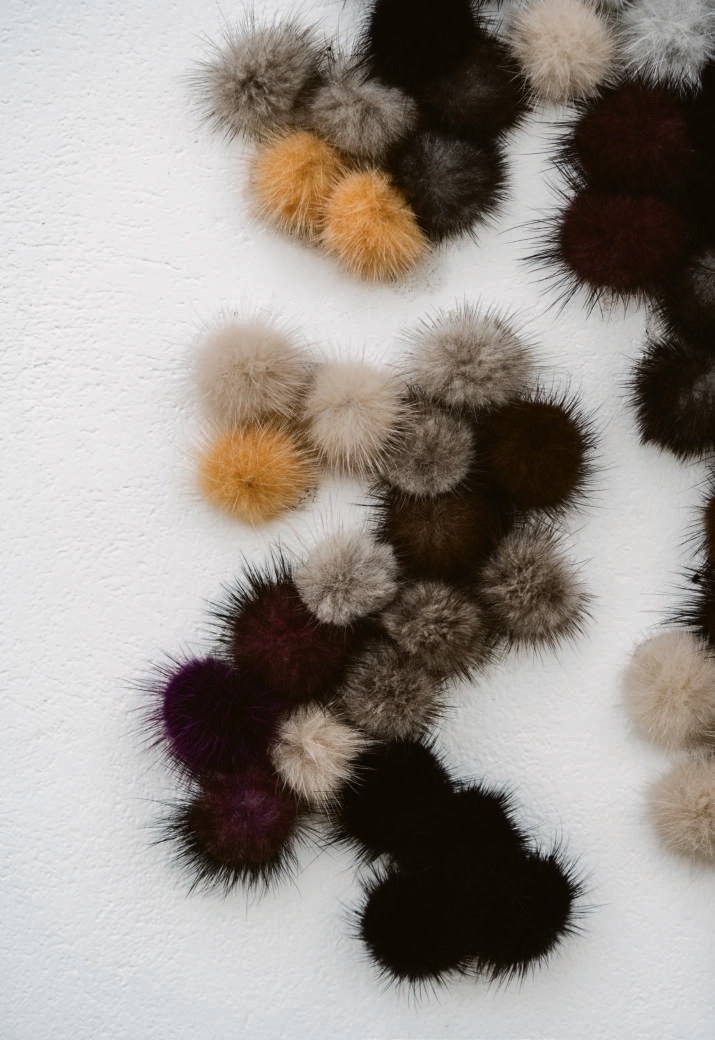
Spinning Rumours Ópalo by Carla Arocha and Stéphane Schraenen, detail, Galeria Fermay, photo Grimalt de Blanch
Spinning Rumours Ópalo, Carla Arocha and Stéphane Schraenen. installation views. Portraits of Antoni Ferrer as well as Carla Arocha and Stéphane Schraenen by Grimalt de Blanch