
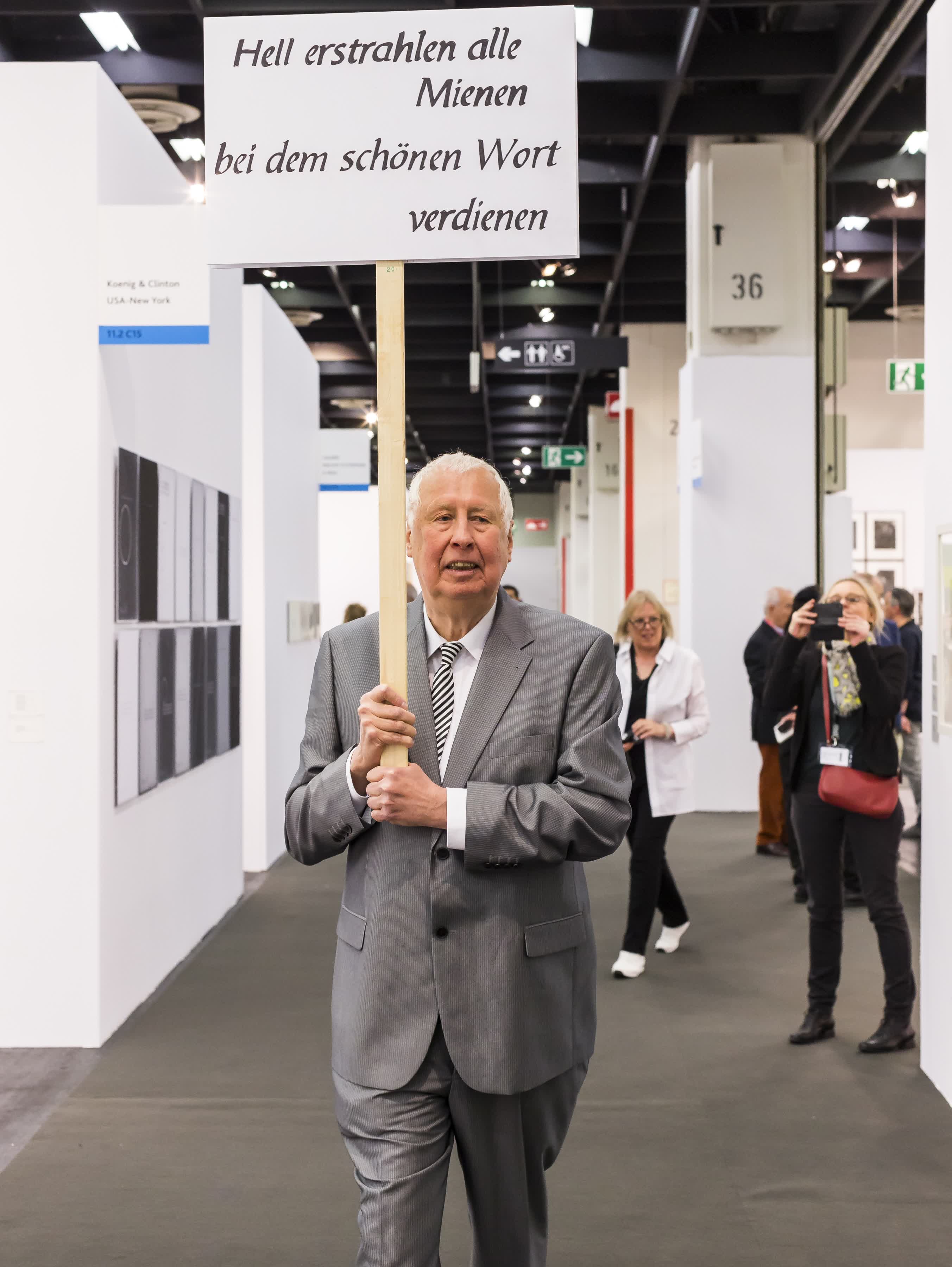
Conceptual artist Hans Peter Feldmann is renowned for assemblages of every day images, found photographs and objects either compiled or singled out, collated or reproduced in books or edi- tions, often in repetition. Appropriating works as elements in his compositions or adding his own touch to an existing work by cutting or adding for example – a clown nose maybe – he subverts classic ideas of value and owner- and authorship.
A compulsive collector, he was also a tireless pro- ducer of works. For almost a decade he turned his back on the artworld of the 80s and rather chose to run a local shop and trade thimbles by mailorder. Yet while he renounced his standing and gave works away to friends, he always continued col- lecting and making. Thus he was ready to show again when coaxed back out into the public by his friend Kaspar König in 1989.
A unique personality, congenial yet defiantly unyielding to market demands, when passing in 2023 Hans Peter Feldmann was represented by eight galleries worldwide—all the while refusing to limit his editions or sign his works.
“Feldmann turned the unwritten rules of the art world upside down,” explains Felicity Korn, curator of the exhibition and head of the 20th and 21st century collection at the Kunstpalast. “His goal was to challenge the societal role of images and objects and to create a vibrant, open space that brings art and everyday life closer together.”
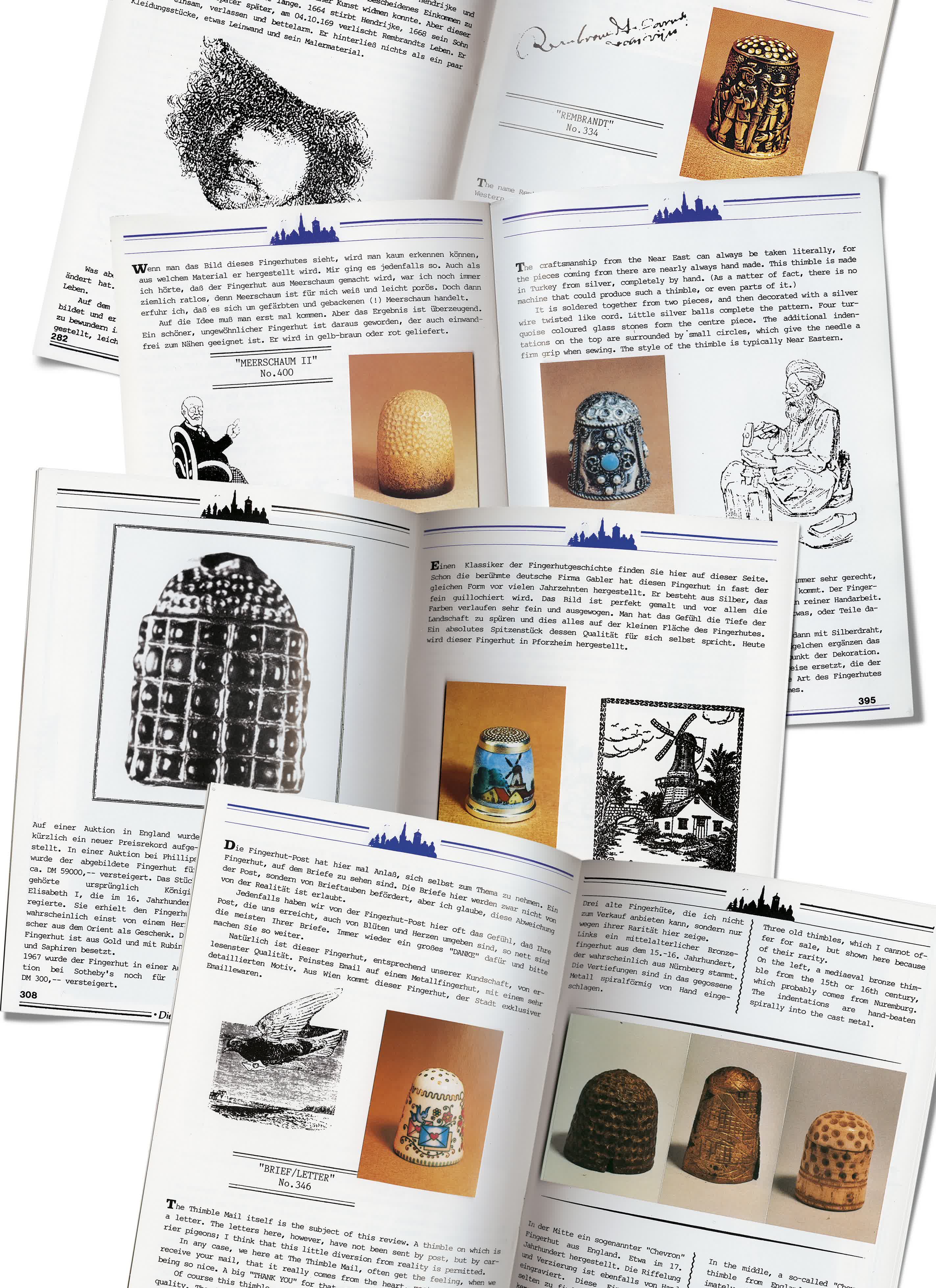
Hans-Peter Feldmann, Die Fingerhut-Post, 1980er Jahre, 20 Hefte, Fingerhüte, Privatsammlung, © VG Bild-Kunst, Bonn 2025 (2)
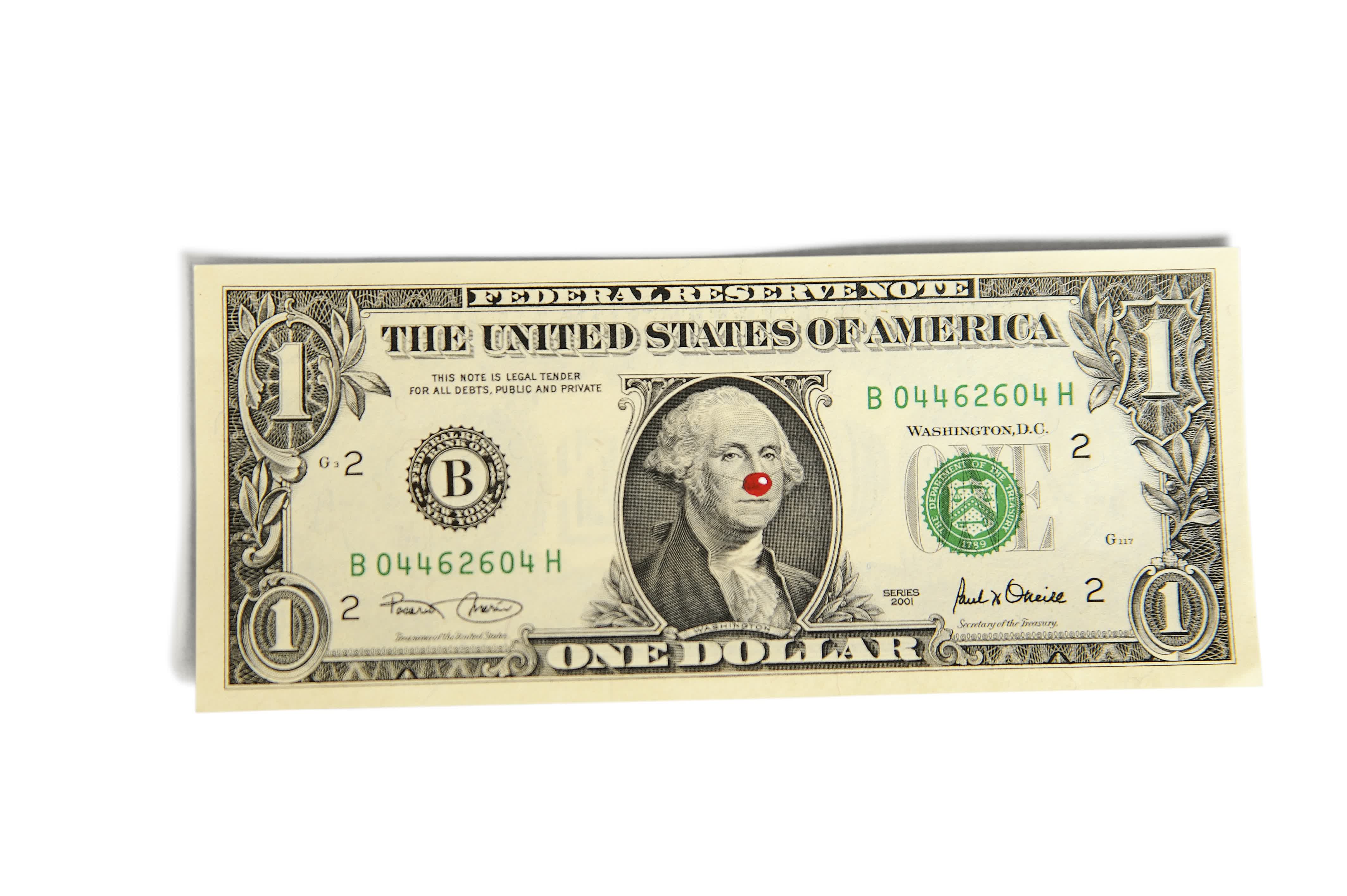
Hans-Peter Feldmann, George, undatiert, 13 x 22 cm, Ursula Feldmann – Hans-Peter-Feldmann Estate, © VG Bild-Kunst, Bonn 2025
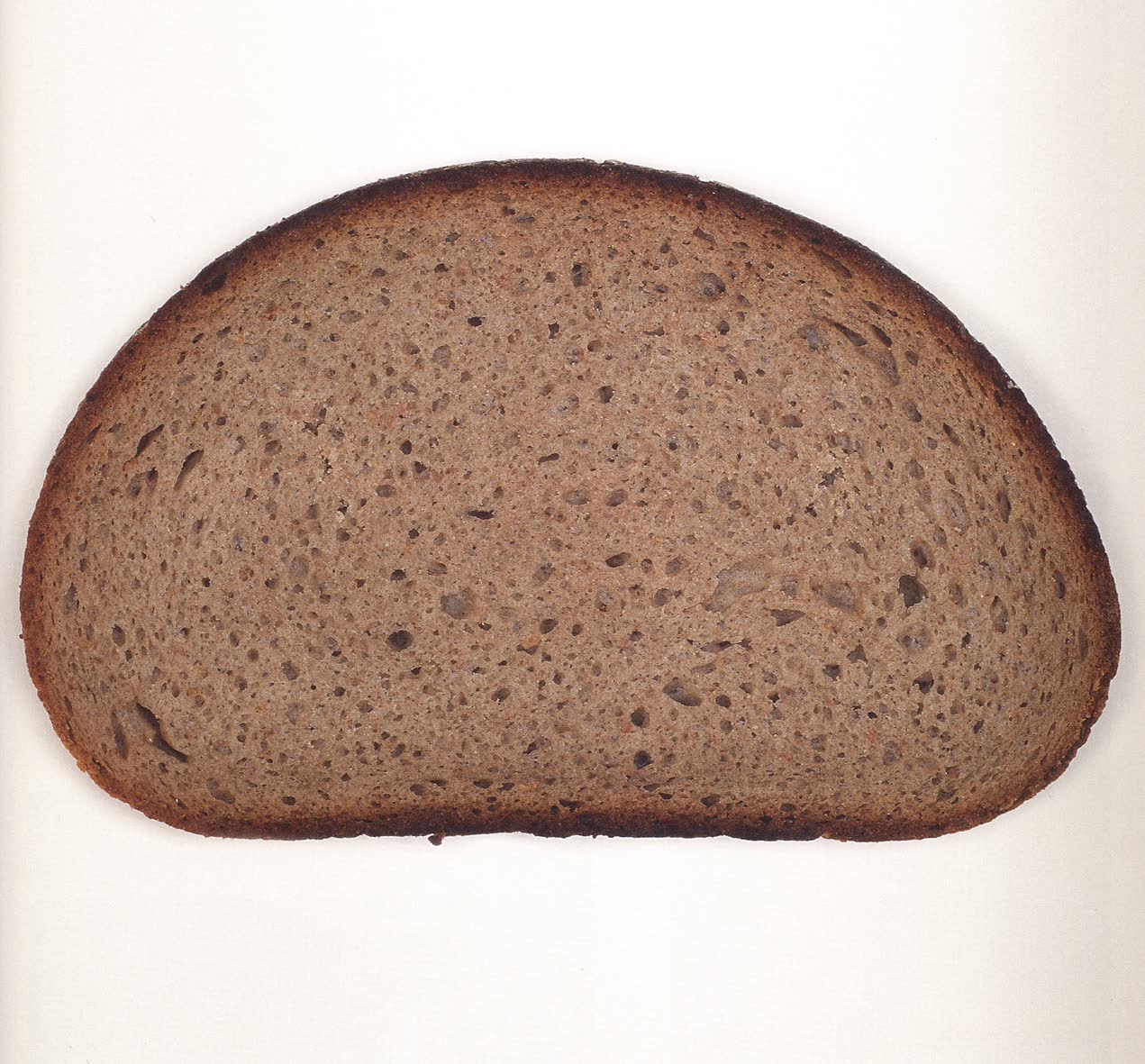
Hans-Peter Feldmann, Brotscheibe, undatiert, C-Print, 100 x 100 cm, Courtesy Konrad Fischer Galerie & H.-P.-Feldmann Estate, © VG Bild-Kunst, Bonn 2025
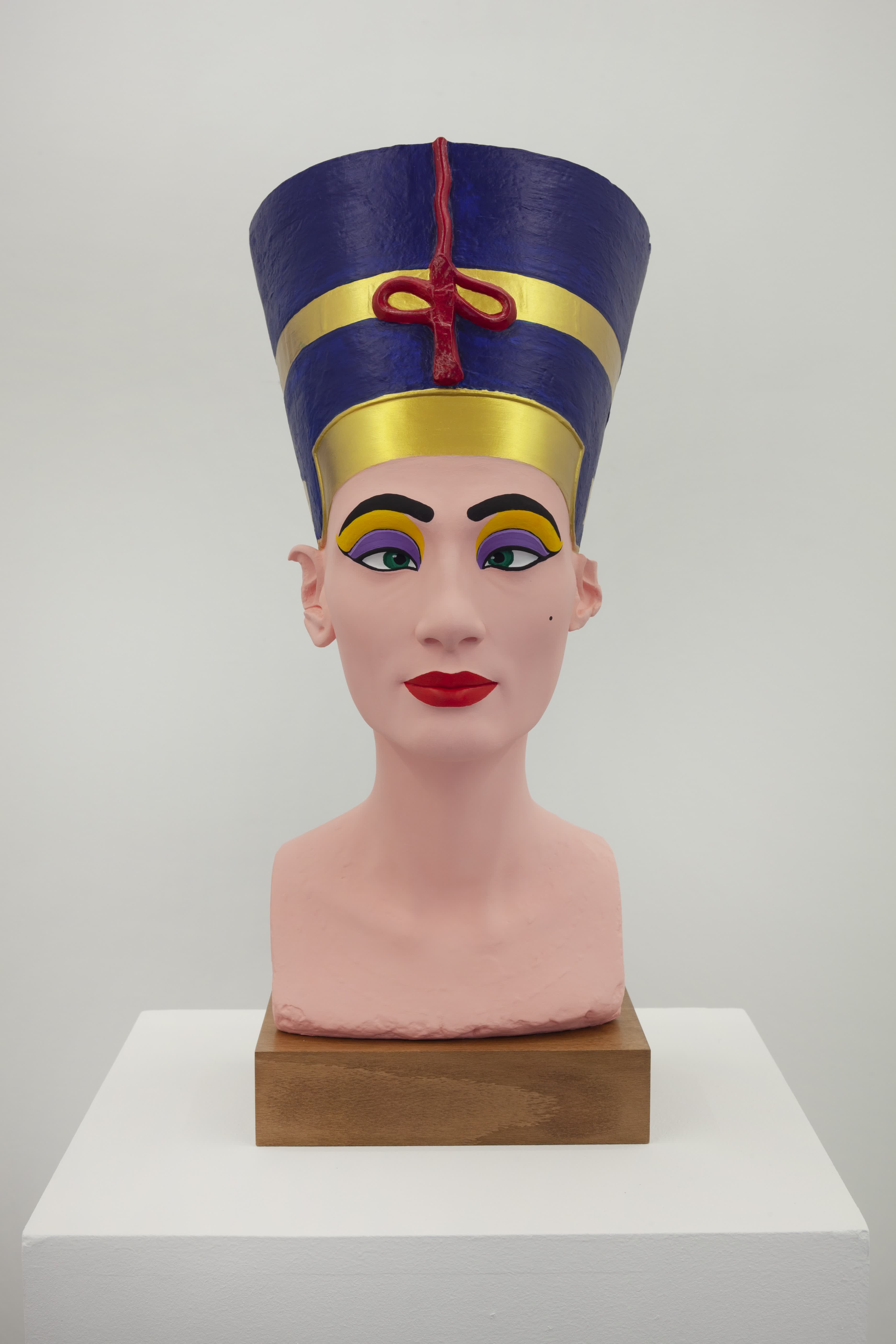
Hans-Peter Feldmann, Die Büste der Nofretete, 2012, Gips, bemalt, 45 x 25 x 25 cm, Privatsammlung, Foto Ludger Paffrath, © VG Bild-Kunst, Bonn 2025
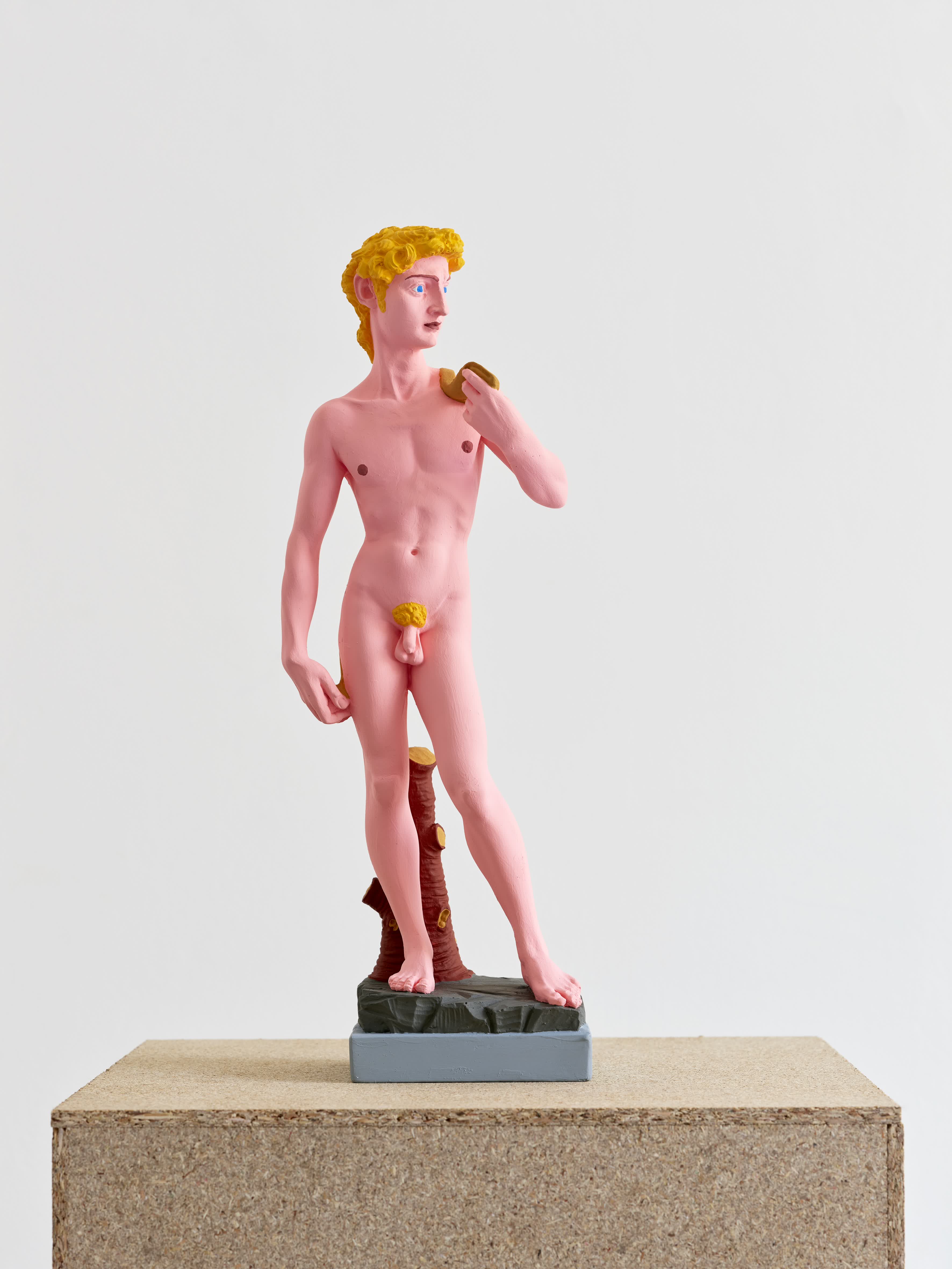
Hans-Peter Feldmann, David, 1970er Jahre, Gips, koloriert, 36 cm Höhe, Courtesy Konrad Fischer Galerie © VG Bild-Kunst, Bonn 2025
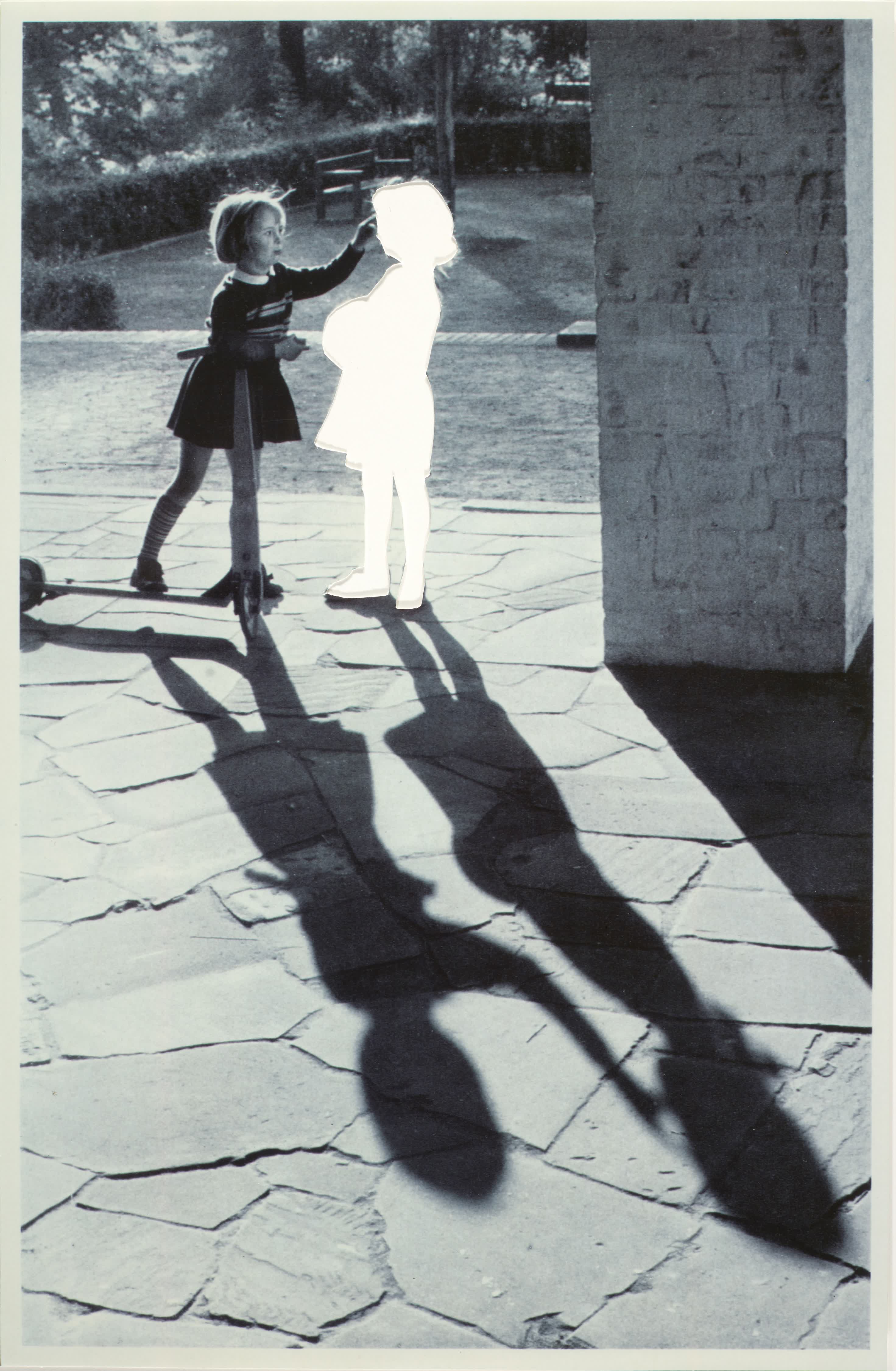
Hans-Peter Feldmann, Zwei Mädchen mit Schatten, 1999, sw Fotografie, teilweise ausgeschnitten, 41 x 27 cm, Kunstpalast, Düsseldorf, Foto Kunstpalast, Düsseldorf
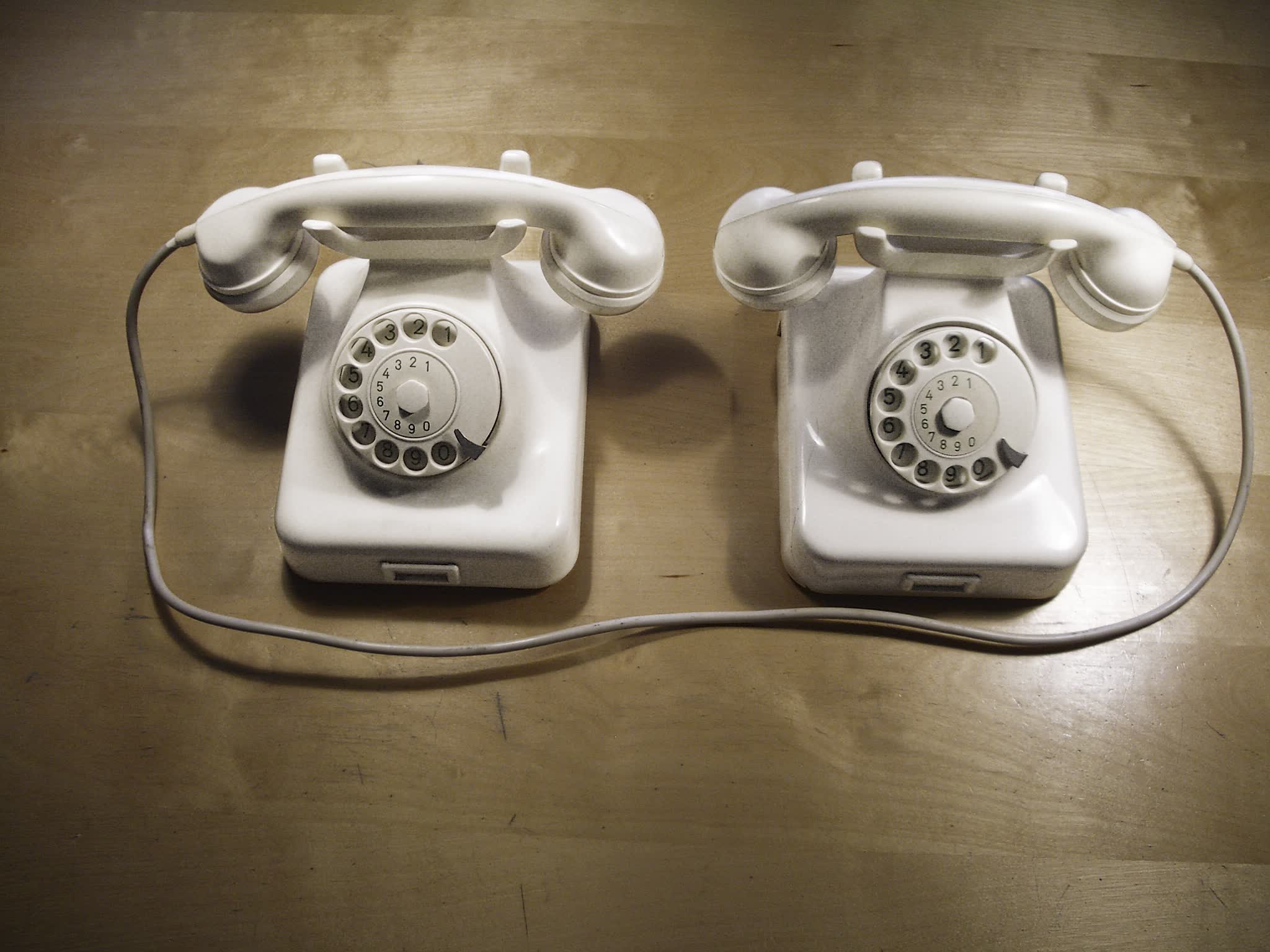
Hans-Peter Feldmann, Zwei weiße Telefone, undatiert, 20 x 60 x 30 cm, Ursula Feldmann – Hans-Peter-Feldmann Estate, © VG Bild-Kunst, Bonn 2025
Feldmann was born in 1941 in the small town of Hilden, close to Düssel- dorf, Germany. Coming of age, his first choice was to study the Düsseldorf art academy—rejected however, he took up painting at the academy in Linz, Austria. Returning, he decided painting was not his medium and instead, from 1968 started working with conceptual photography, using everyday imagery, making notebooks, picture books and editions. In 1973 Feldmann moved to Düsseldorf. Photographs were rare in postwar Ger- many, he stated, so he took a keen interest in any he could find — and, his work could be described as motivated by ‘defying boredom’.
His insistence on repetition provides a formality that frames and holds his work otherwise borderless and beyond customary definition. Winning the 2010 Hugo Boss prize awarded by the Guggenheim Museum in New York he took the $100k prize money and pinned it in single overlapping $1 notes on the walls of the Museum—to astounding effect: simple, subver- sive and poetic in one. Pranks masterfully executed, mischievous yet sin- cere, his keen eye and interest in the unspectacular, or ‘banal,’ challenges established societal norms. Wit, unapologetic directness and social criti- cism go hand in hand, his themes ranging from voyeurism, pop culture, kitsch, original versus copy, to social clichés. There is a playfulness and yet a felt yearning when Feldmann toys with the viewer’s preset expecta- tions and attention span when making an entire book of one image alone, repeated—or calling his show at the Kunstpalast Düsseldorf point blank ‘art exhibition.’
“Art Exhibition,” the first major posthumous overview of Feldmann’s work is also the last exhibition he personally worked on. This brings a personal circle to close: his uncle taking him to the Kunstpalast for his first museum visit as a young boy lit the spark within of the artist to be, and now the same museum shows the last exhibition he arranged — and the first of the artist that was. —Uscha Pohl
—
Hans Peter Feldmann
Art Exhibition
Curated by Felicity Korn
Until 11 January 2026
Kunstpalast,
Ehrenhof 4-5, 40479
Düsseldorf
Kunstpalast.de