The quest for life’s meaning and the self within, is as old as mankind. In Michelangelo Pistoletto’s words ‘from the first handprint in a cave’ man has been investigating the role of the self within the whole, our traces representing individua- tion of our being. Self as individual and in groups, is the form in which we identify and experience life as humans on Earth.
The S.E.L.F. acronym — Self Eternity Love Freedom — are aligned aspects of the whole to which we all belong. With our body as receiver, decoder and transmitter, we interact ‘embodied’ with others and our environment through our senses and resonance.
Cees Krijnen (Haarlem) has a way of straight talking, pointing at the elephant in the room and breaking societal taboos. When invited to the groupshow ‘Contemporary Selfportraits’ at Sean Kelly Gallery, New York in 1998 Krijnen exhibited a Dutch fine pottery tea set with the words ‘Kanker’ (‘Cancer’) worked into the typical Delft blue design. Cees Krijnen recalls “At the opening, I met a guest who showed great interest in my “kankerservies” (cancer tableware). He had, quite rightly, understood the Dutch “k” as the English “c.” I later learned he was a musician who in 1992 had dedicated a phenomenal concept album, “Magic and Loss”, to cancer, inspired by the loss of two close friends to the disease. To be honest, at the time, I had no idea I was talking to Lou Reed.”
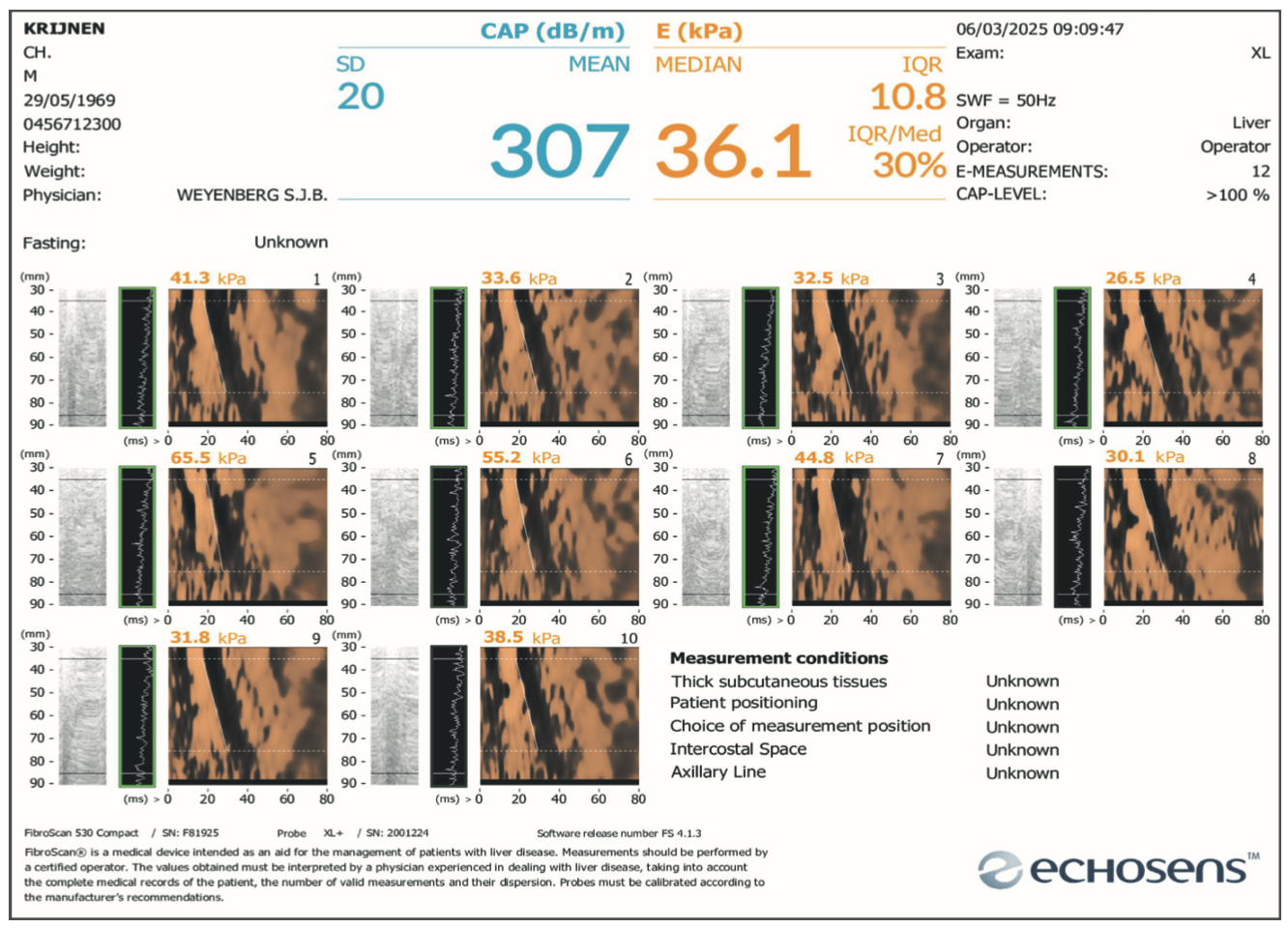
In S.E.L.F. Krijnen is looking at himself quite factually, medically, while highlighting his own fragility by showing doctor’s scans of his liver, following a health scare. All well, says Krijnen’s exhibit, a medical portrait of a chain smoker not averse to a drink here and there. But the question lingers, how comfortable are we, looking inwards, recognizing ourselves as part of nature and its natural cycles.
Anneè Olofsson’s (Stockholm) strong and deeply moving work addresses the self from various angles: as person, as woman, in relationship to others, to our social and physical surroundings, as well as time. In S.E.L.F. the series of mul- tifacetted portraits are printed overlays blending various im- ages of Olofsson’s work into one. The summary of layers allude to our interconnectedness as parts of one whole — adding the question of chance, what makes us ‘us’, and how different life would be ‘if’.
In the video ‘Cold’ we see the artist with no apparent cloth- ing staring into the camera with the January sea of the Stockholm archipelago moving behind her. Olofsson getting visibly colder and colder, her physique reacts to the freezing conditions but the will stays strong and the stare unfazed. ‘Ricochet’ displays otherwise invisible psychological actions in a physical real-life manner: in slow motion Olofsson is thrown from one side of the screen to another by two unidentified men, of whom we see only hands and sleeves, who turn out to be her father on the one side and her then- partner on the other. In “Do You Know how I feel Around you” the artist slowly turns on a pedestal while the shadow of her father keeps growing larger and larger until it almost covers her entirely. Her exquisite cracked porcelain piggy bank sculpture ‘Eventually It will All Go to my Head’ portrays herself as cast in a begging position: mocking traditional artefacts reflecting social status Olofsson
expertly combines beauty, humility and humour— eventually, all the coins will go to her head, quite literally. While Erinna König’s oeuvre of sculptural painting is renowned for probing social critique through highly aes- thetic transformations of daily life objects, her main photo- graphic work is specific to a visual quest of the self. First exhibited at the exhibition “Invention of Reality, Photogra- phy at the Artacademy Düsseldorf 1970-today”, 2011, her selfportraits included here are “Self, fat”, 1969 with her head poking out of a cut-out of a big lady in costume. In di- rect opposition, “Self, Pose”, 1971 sees the artist striking the pose of a swimwear fashion model in a scenery akin to Bot- ticelli’s “Venus emerging from the Sea”. A tongue-in-cheek musing on the idea of ‘a muse’ — a role often designated to women in history and the art world, yet not one that König could identify with herself. The location of the seashore re- lates back to Olofsson’s video ‘Cold’, which has endurance, steadfastness as theme. While Olofsson shows the self in re- lation to the physical, natural environments, it can be trans- lated just as well to other challenging environs, may they be psychological or energy based. König in contrast plays with allure, gender role and stereotypes.
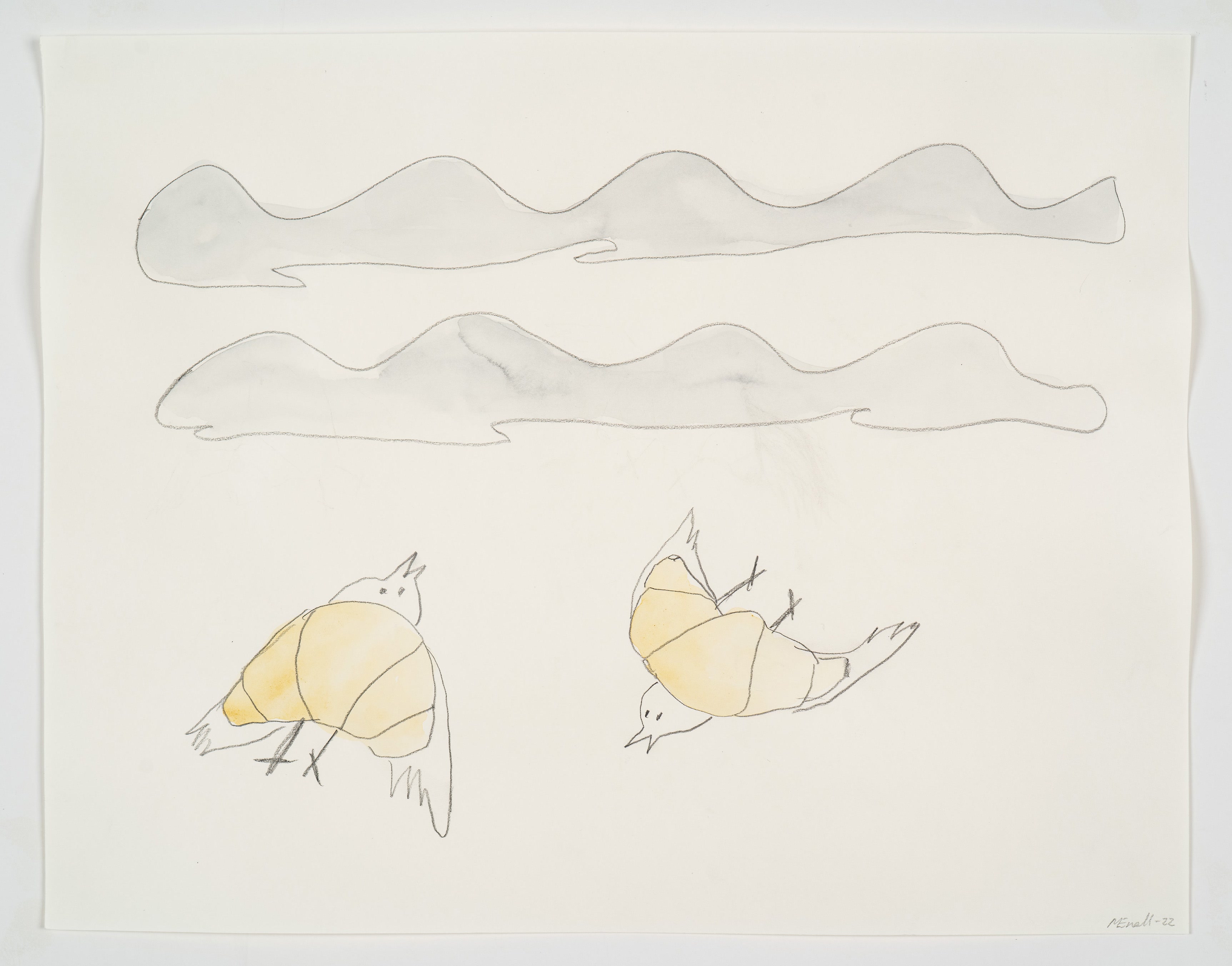
Mia Enell (New York) is a multimedia artist with focus on large scale paintings and drawings often involving the sub- conscious and interpretations of dream-states. Originally from Sweden, she studied at the Beaux-Arts in Paris before moving to New York in the 90s. Uncannily representing thought processes or life’s own poetry on canvas or paper, here she exhibits large scale Rorschach duo-chromes — cut out as gigantic butterfly images they lift off the gallery wall as if to another dimension. A series of drawings resonate in- ner psychology, raising issues of multiplicity of the self, the unsolved questions and confusion of mankind. As humorous take on social conditioning, she sets the ‘self’ loose as two croissant-birds – one zooming up and one already coming down from the skies. —Sahara Meer
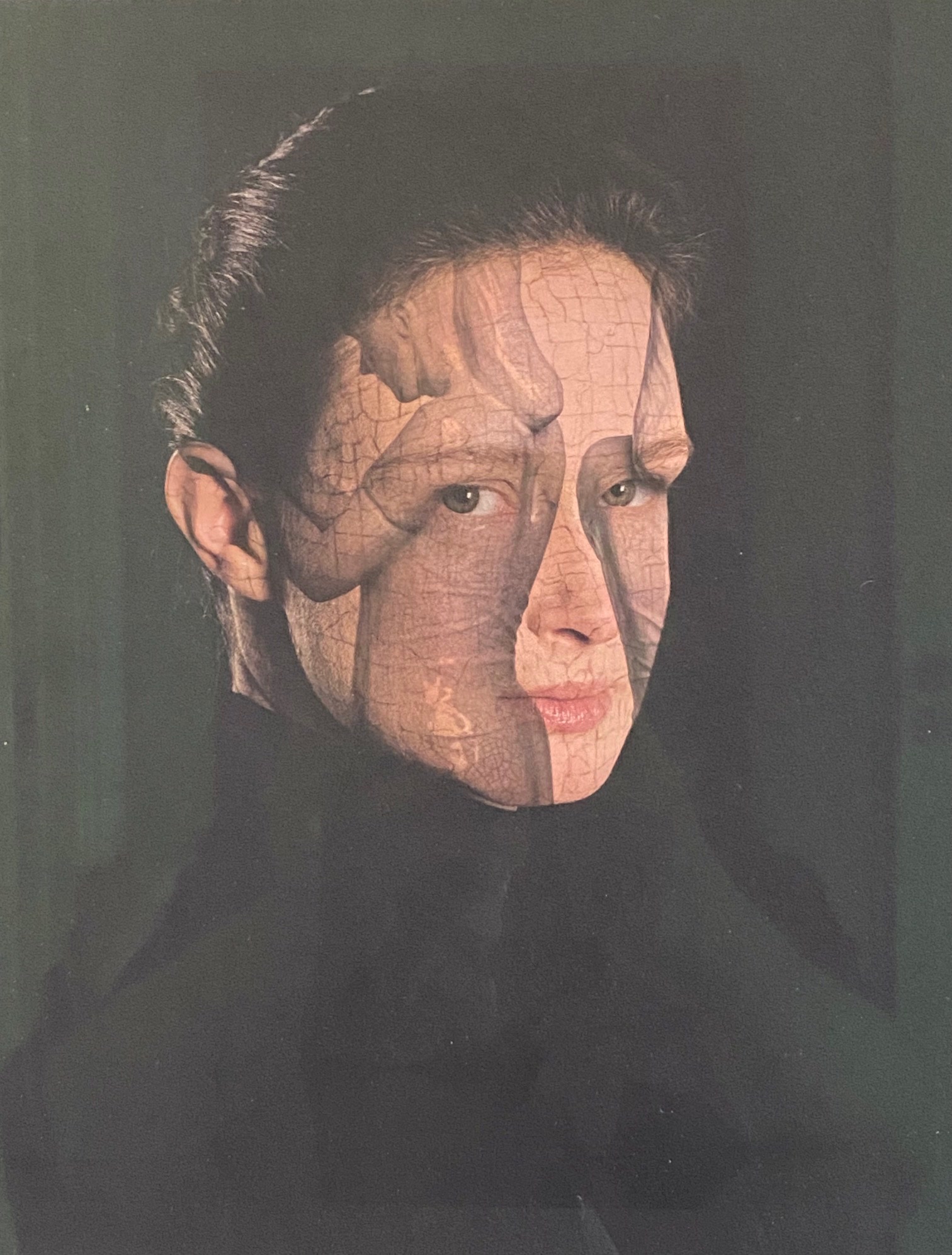
Anneè Olofsson
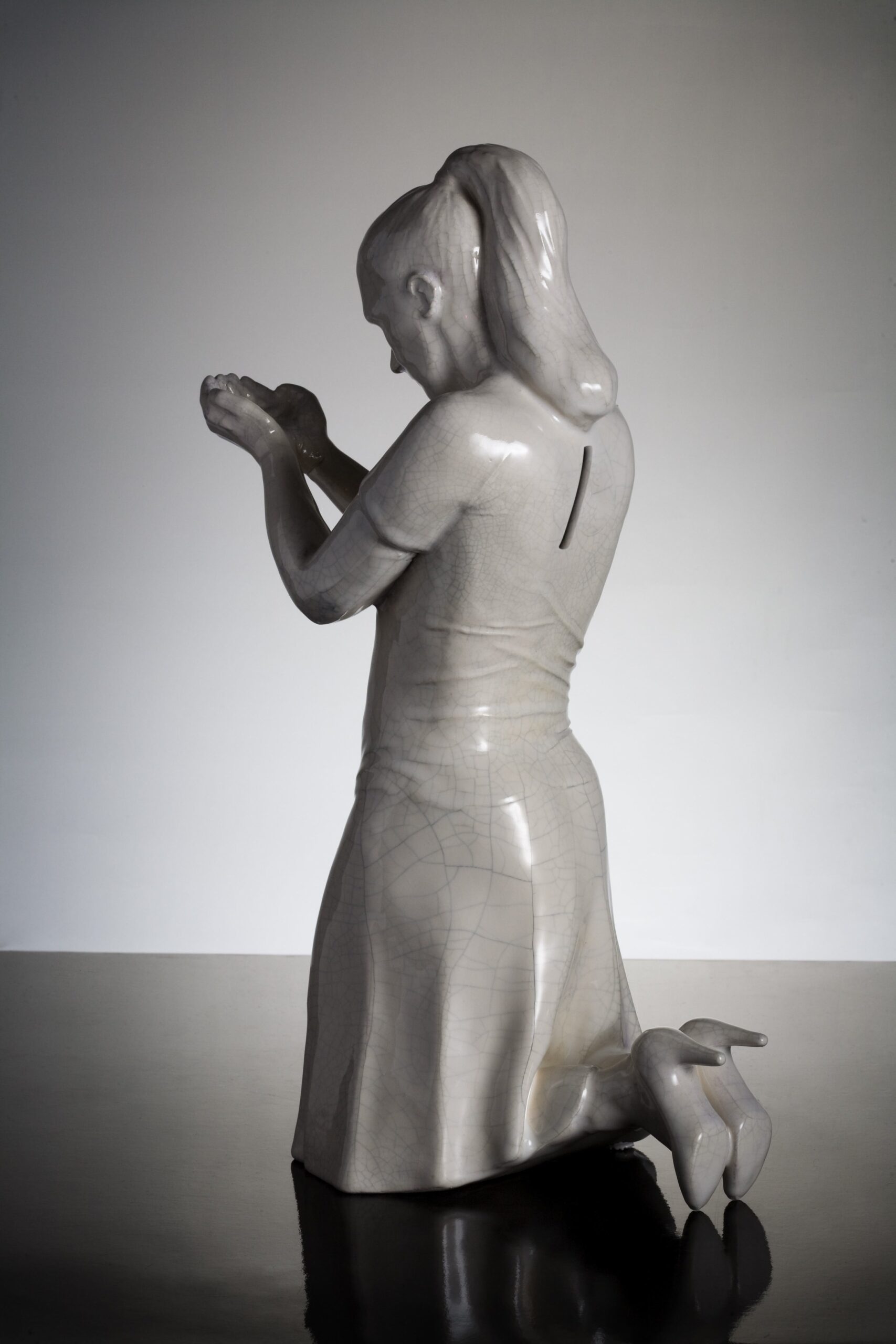
Eventually it will all go to my head, Anneè Olofsson, back view
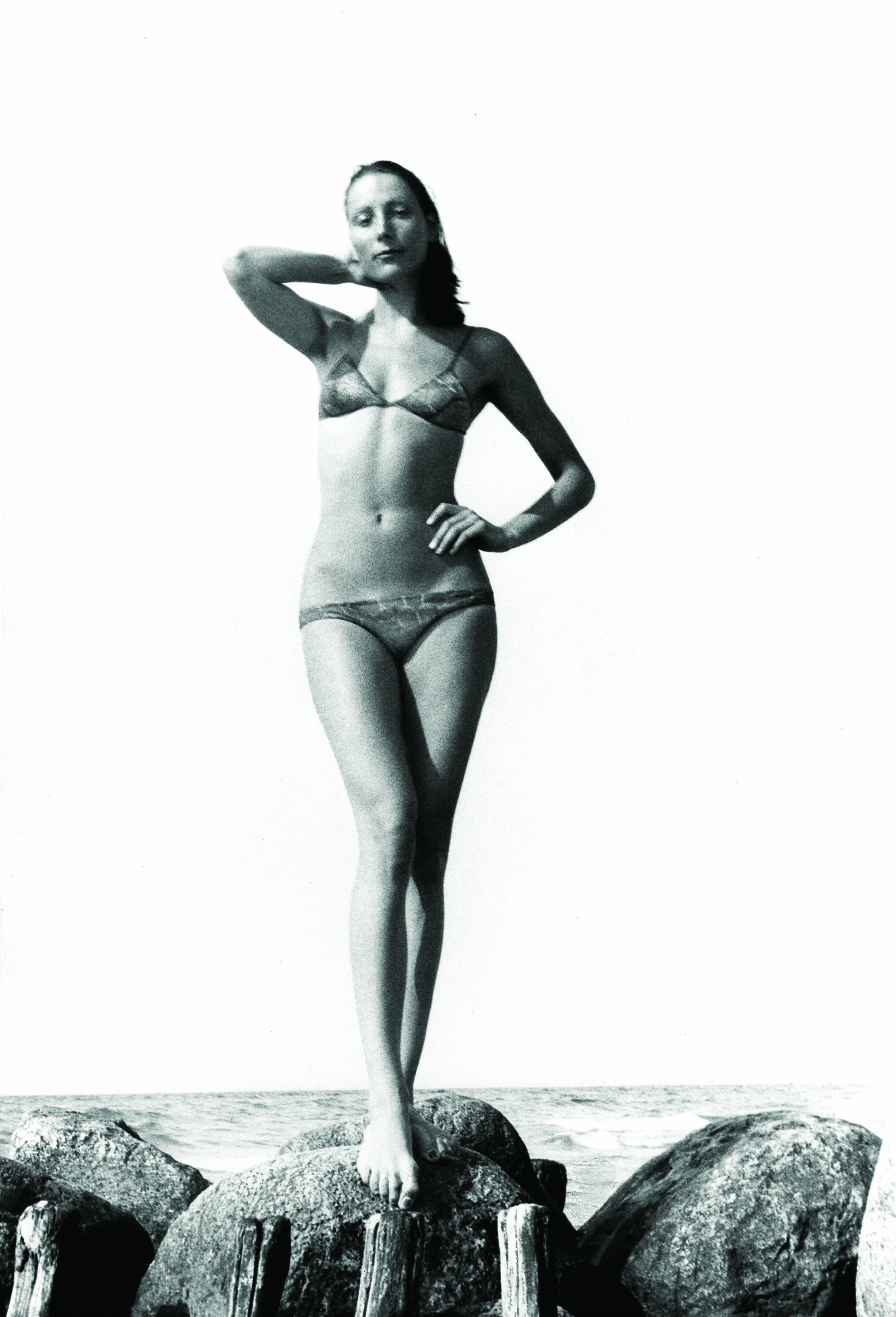
Pose, Erinna König
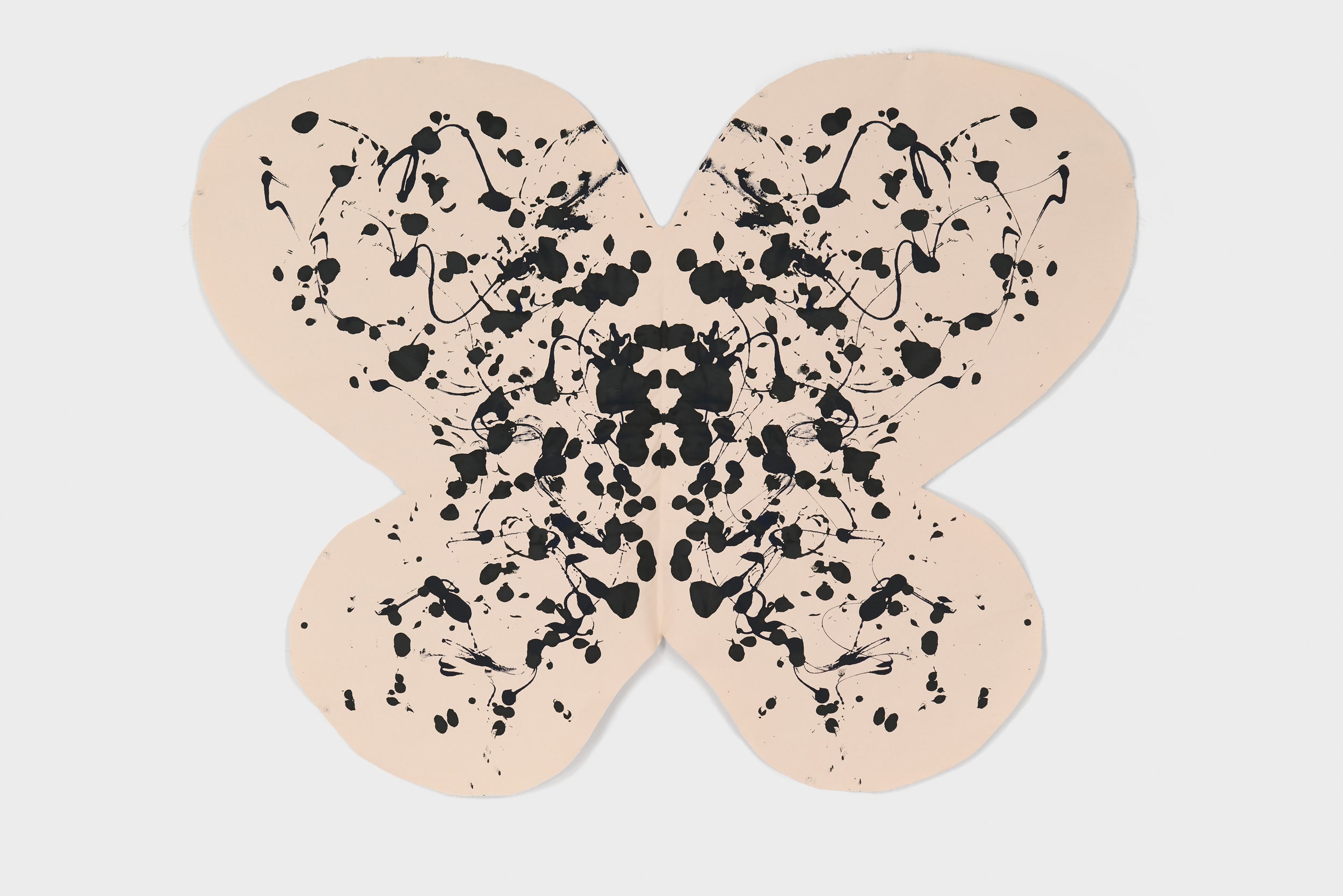
Rorschach-Butterfly3, 2017, Mia Enell